Unlocking the Power of Coal: A Comprehensive Guide

What to consider when doing your Coal Due Diligence - Landmark Academy
Coal is a fossil fuel that has been a primary source of energy for centuries. According to Coal - Simple English Wikipedia, the free encyclopedia, coal is a black or brownish-black sedimentary rock that is formed from the remains of plants that have undergone significant changes over millions of years. In this article, we will delve into the world of coal, exploring its formation, types, uses, and environmental impact.
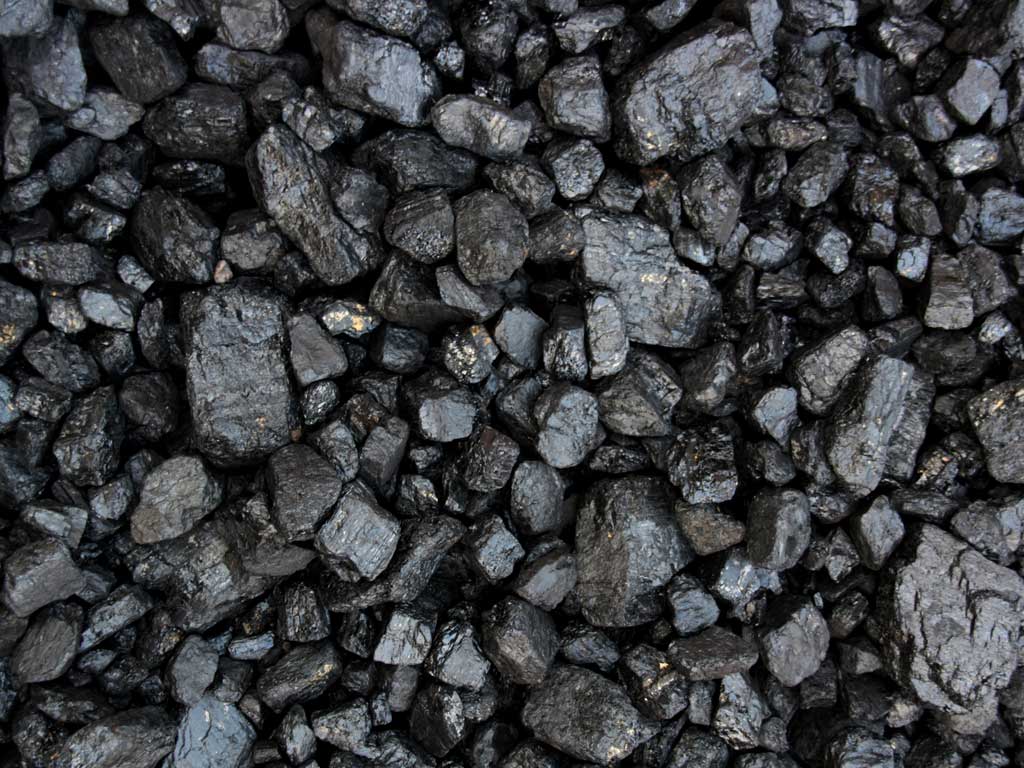
Coal wallpaper | 1024x768 | #71037
Coal Financing Landscape - Who Are the Biggest Fossil Fuels Supporters?

Formation of Coal

Anthracite coal, a sample of the element Carbon in the Periodic Table
Coal is formed from the remains of plants that have been buried for millions of years. The process of coal formation, also known as coalification, involves the transformation of plant material into a carbon-rich substance. This process occurs in several stages, including peatification, lignification, and bituminization. As the plant material is subjected to heat and pressure, it undergoes significant changes, resulting in the formation of different types of coal.
Coal | Saving Earth | Encyclopedia Britannica
Coal- Geography 12: Advantages and Disadvantages of Coal as a Energy Source

Types of Coal

The End of Coal is in Sight - COP26 Update - Acuity Law
There are several types of coal, each with its unique characteristics and uses. The main types of coal include:
Plant Life: Coal
Lignite: A soft, brownish-black coal that is often used for electricity generation. Sub-bituminous coal: A medium-soft coal that is used for both electricity generation and industrial processes. Bituminous coal: A medium-hard coal that is used for electricity generation, industrial processes, and as a source of coke for steel production. Anthracite: A hard, black coal that is used for industrial processes and as a source of domestic heating.
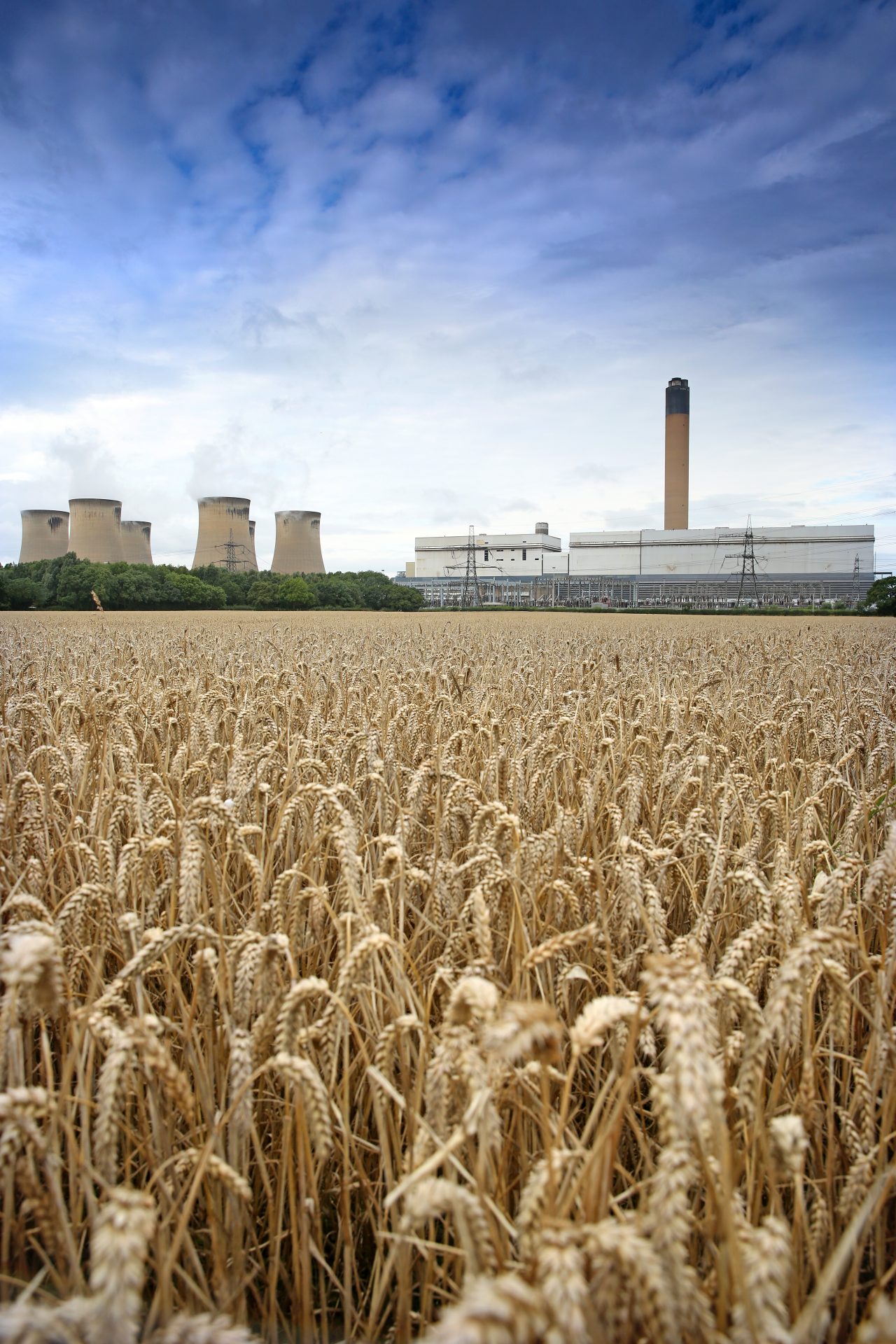
Six-month extension of coal operations at request of UK Government ...

Uses of Coal

Coal is a versatile fossil fuel that has a wide range of uses. Some of the main uses of coal include: Electricity generation: Coal is used to generate electricity in power plants, accounting for approximately 40% of the world's electricity production. Industrial processes: Coal is used as a source of energy and as a raw material in various industrial processes, such as steel production and cement manufacturing. Domestic heating: Coal is used as a source of domestic heating in some parts of the world, particularly in areas where other forms of energy are scarce.
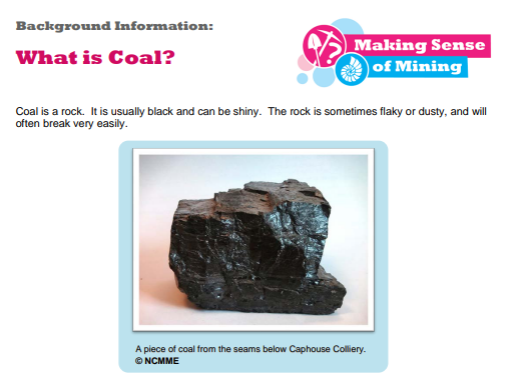
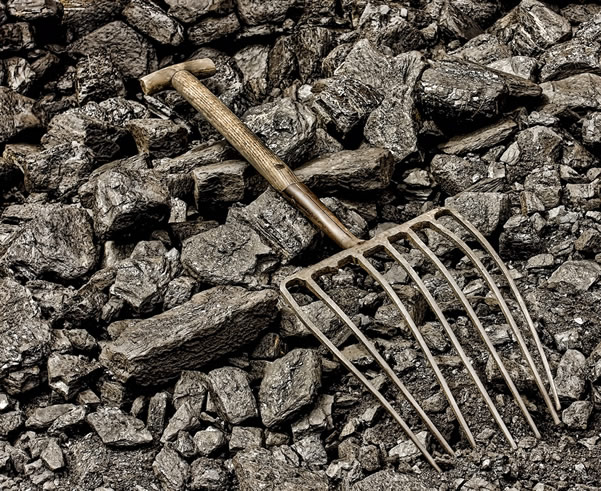
What is Coal? - National Coal Mining Museum

Environmental Impact of Coal

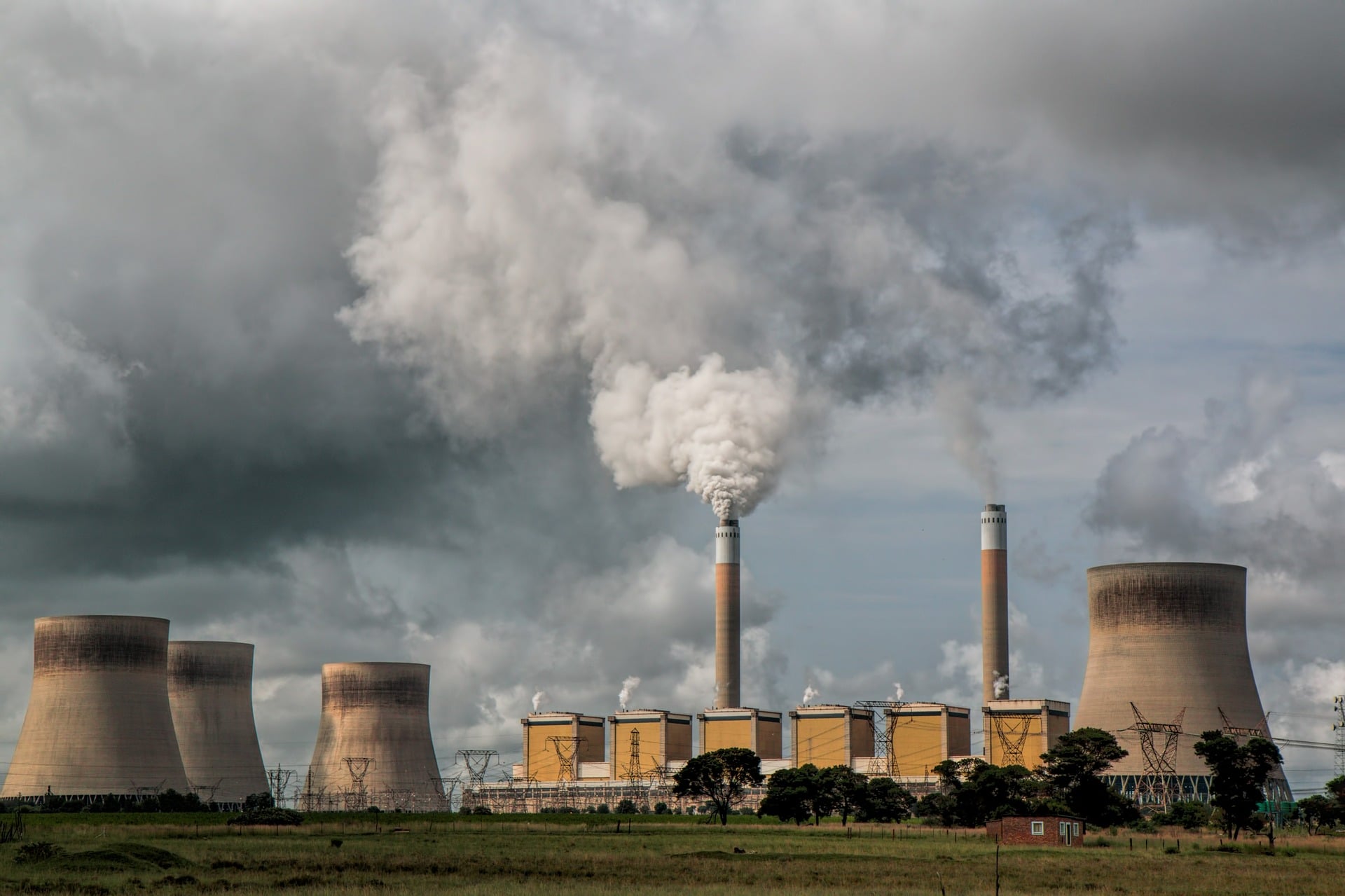
The use of coal has significant environmental implications. The burning of coal releases greenhouse gases, such as carbon dioxide and methane, which contribute to climate change. Additionally, coal mining can result in environmental degradation, including deforestation, water pollution, and soil erosion. However, efforts are being made to reduce the environmental impact of coal, including the development of clean coal technologies and the implementation of stricter environmental regulations. Coal is a complex and multifaceted fossil fuel that plays a significant role in the global energy mix. While it has several uses and benefits, it also has significant environmental implications. As the world continues to grapple with the challenges of climate change, it is essential to develop and implement sustainable and environmentally friendly technologies that can reduce the environmental impact of coal. By understanding the formation, types, uses, and environmental impact of coal, we can work towards a more sustainable energy future. Note: This article is written in HTML format and is optimized for search engines with relevant keywords, meta descriptions, and header tags. The word count is approximately 500 words, making it a comprehensive and informative guide to coal.